
Last updated
How do I know when a grease trap needs pumping?
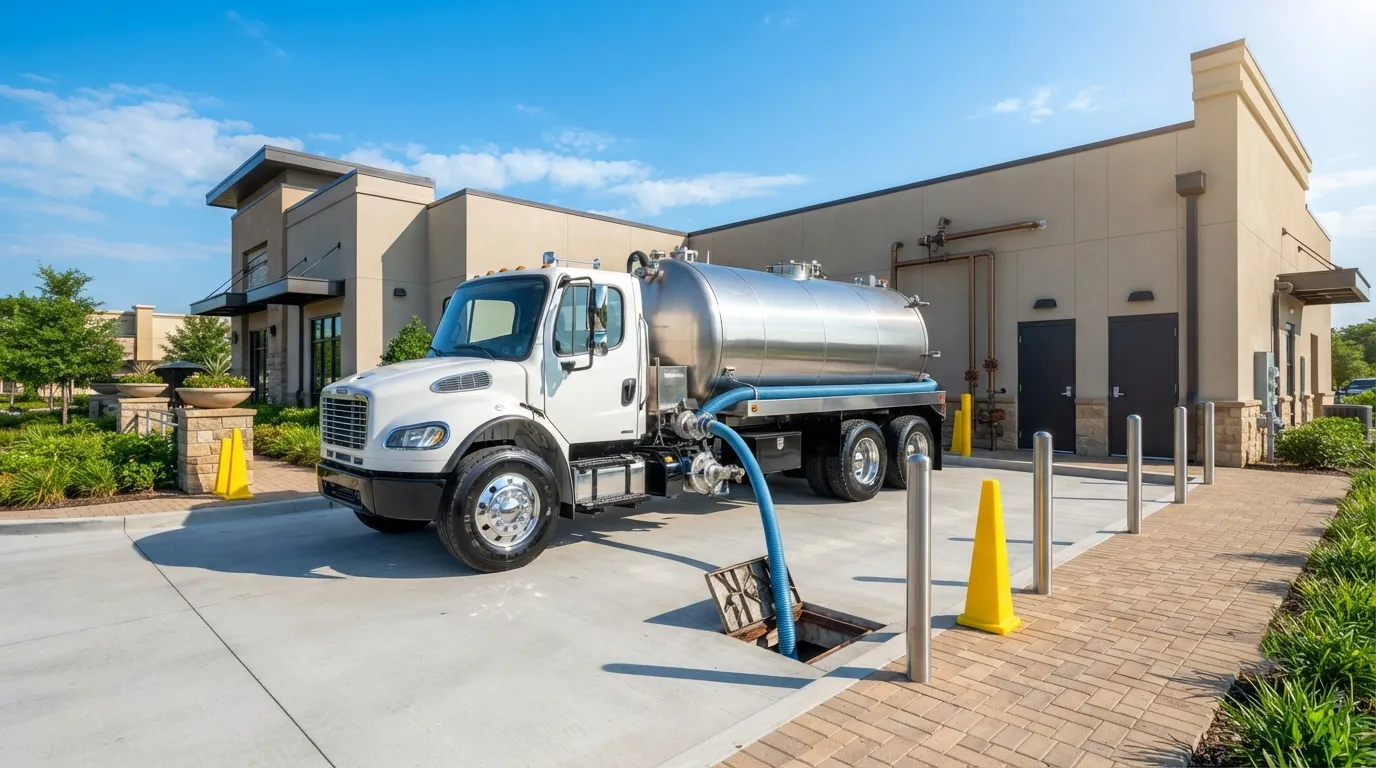
The industry rule of thumb is simple: once fats, oils, grease and solids reach 25 percent of the liquid depth in the interceptor, it's time to pump. Wait longer and grease starts moving downstream into the line, which is how a routine service call turns into a backed-up kitchen mid-shift. Tempe restaurants running a full lunch and dinner service tend to hit that mark faster than a coffee shop with light fryer use, similar to how a busy construction site services account burns through porta potty capacity faster than a quiet one. If you're not sure where your trap stands, Tempe Porta Pros can check the depth on a routine stop and set a pumping interval that matches your actual volume instead of guessing. This is different from septic tank pumping, where a typical 1,000 gallon residential tank goes 3 to 5 years between services depending on household size. Commercial kitchens move a lot more grease a lot faster, so the schedule looks nothing alike, the way a holding tank rental schedule differs from a fixed septic system too. For sites running both a kitchen and back-of-house restrooms, it's worth coordinating septic pumping service and grease trap service on the same visit to cut down on separate trips.
What does grease trap pumping cost in Tempe?
Cost depends mostly on interceptor size and how overdue the service is. A trap that's never crossed 25 percent runs a straightforward pump-out. One that's been neglected for months, with hardened grease coating the walls, takes longer and costs more. Commercial accounts on a recurring schedule generally pay less per visit than a one-time emergency call, because routine work means less scraping and less disposal volume. If your kitchen shares a lot with portable restrooms or a construction trailer, bundling service calls is worth asking about, and the same logic applies if you're also running a restroom trailer rental or a mobile office trailer rental on site. Tempe Porta Pros quotes grease trap jobs after a quick look at the interceptor, since a 500 gallon unit under a food truck and a large in-ground trap under a full-service restaurant aren't priced the same way, much like a standard porta potty rental and a deluxe flushable porta potty carry different rates. For general reference on how commercial site pricing works across services, see septic tank pumping cost and dumpster rental cost, which follow similar size-driven logic.

Why does grease trap pumping matter for a commercial kitchen?
A neglected trap doesn't just smell bad, it backs up plumbing and can shut down a kitchen during service, which costs a lot more than the pump-out would have. Commercial grease trap pumping keeps the interceptor doing its job: separating grease before it reaches the sewer line. Tempe's food service operators dealing with health inspections benefit from a documented pumping schedule they can point to, the same way job sites keep records to satisfy OSHA portable toilet requirements. It also protects the plumbing itself. Grease that hardens inside pipes narrows the line permanently over time, and that's a much bigger repair than a scheduled trap service, the kind of deferred maintenance covered in septic tank warning signs. Sites also running portable sanitation for outdoor seating or event overflow should look at portable restroom rental or handwashing station rental, since 29 CFR 1910.141(d)(2) requires soap and towels or a hand-drying device at washing facilities, not just sanitizer. For any site prepping paint or coatings work nearby, note that washing facilities under OSHA 1926.51(f)(1) apply specifically to paints, coatings, herbicides or insecticides, not general kitchen handwashing.
Do you offer emergency grease trap pumping?
Yes. A trap that's overflowing or backing up during service hours doesn't wait for the next scheduled visit, and the same crew handling that call can also cover a porta potty rental cost quote if you need extra units fast. Tempe Porta Pros runs emergency grease trap pumping alongside emergency septic service and emergency porta potty rental for sites that need a same-week or same-day response.
How often should a commercial kitchen schedule grease trap pumping?
It depends on volume, but most full-service kitchens land somewhere between monthly and quarterly, similar to how a monthly porta potty rental schedule gets set around actual usage. The real marker isn't the calendar, it's hitting 25 percent grease and solids depth. A quick inspection during a routine visit tells you where you actually stand.
Is grease trap pumping different from septic pumping?
Yes. Grease traps target fats, oils and grease specifically, while septic systems handle full wastewater. See septic tank cleaning and how often to pump a septic tank for how the septic side works.
Can I combine grease trap pumping with other site services?
Often, yes. Job sites and event venues running temporary fence rental, roll-off dumpster rental, or storage container rental alongside a kitchen operation can usually schedule multiple services in one visit.
What happens to the grease after it's pumped?
It's removed and hauled off site for disposal, separate from general waste handled through construction dumpster rental or what cannot go in a dumpster, since grease waste follows its own handling path, not standard dumpster rules.
Next step
Get a delivery date
Tell us the address, the dates and the headcount. We size the order and confirm the route.