
Last updated
What does OSHA actually require for handwashing?
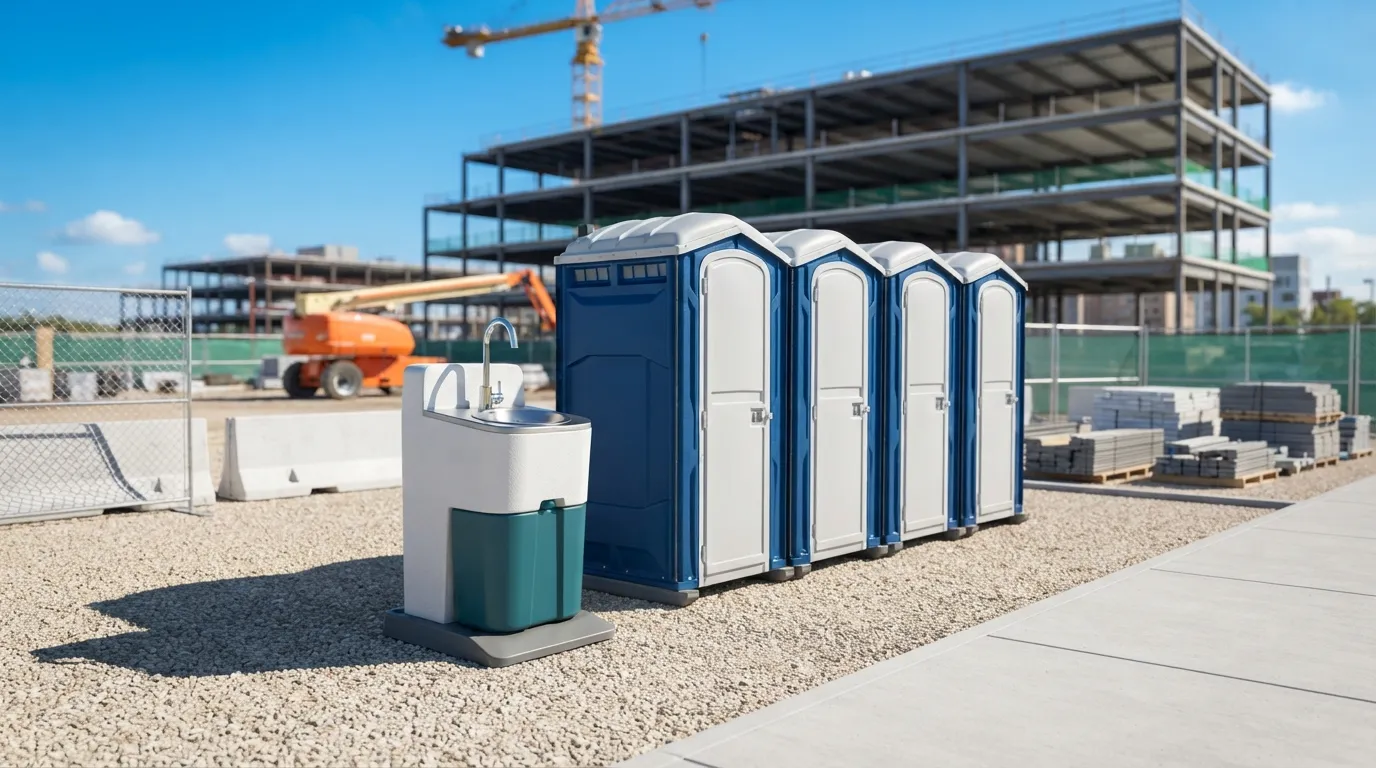
The rule people misquote is 1926.51(f)(1), and it does not apply to every job. It kicks in specifically where employees are applying paints, coatings, herbicides or insecticides, or working around similar harmful contaminants. If your crew on a Tempe remodel is spraying finish or treating for pests, that section requires washing facilities on site, not just sanitizer. Separately, 29 CFR 1910.141(d)(2) says any washing facility you provide has to include soap and a way to dry hands, either towels or a dryer. That standard is why a bare sanitizer stand does not satisfy an inspector even though it feels like the same idea. General toilet and sanitation counts fall under a different rule, OSHA 1926.51(c), which is worth reading before you plan a porta potty rental alongside your wash stations. Tempe Porta Pros pairs handwashing station rental with toilet units so both requirements get covered in one delivery instead of two separate calls. If you are still scoping numbers, the how many porta potties do I need guide walks through worker counts, and the dedicated OSHA portable toilet requirements page breaks the toilet ratio rule down further.
How many handwashing stations does a Tempe job site need?
There is no fixed station-per-worker number in the fact set, but the practical approach mirrors toilet planning: match units to headcount and to how the crew moves across the site. A framing crew on one Tempe lot needs fewer stations than a multi-building project spread across acres, and OSHA 1926.51(a)(1) also requires an adequate supply of potable water at all places of employment, which your handwashing setup has to draw from. Agricultural operations follow a different, more specific rule: 1928.110 calls for field sanitation with potable water, toilets and handwashing for hand-labor employees, at one facility per 20 workers, reachable within a quarter mile walk. That standard matters if you run a farm operation near Tempe and are weighing farm and agricultural restrooms alongside wash stations. For general job sites, Tempe Porta Pros sizes the order off your crew count and layout, the same logic used on the construction site services page and the porta potty placement guide.
Where should stations be placed on site?
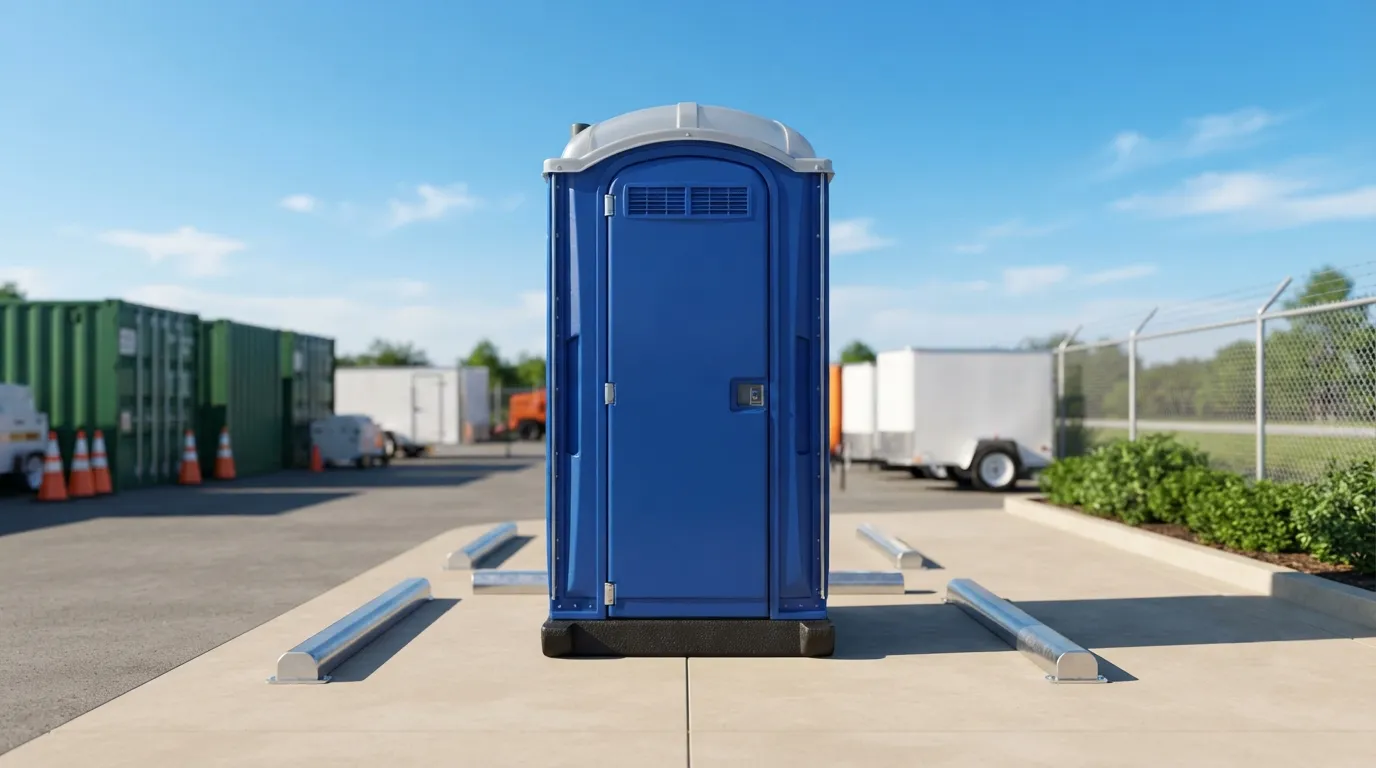
Placement rides on the same access logic as portable toilets: stations need to sit where people can actually reach them, and where a service truck can reach the stations. ADA Standards section 403.5.1 calls for a 36 inch clear route to any accessible unit, and section 404.2.3 sets minimum door width at 32 inches, so keep gravel, cords and debris clear of the path. Section 213.2 requires that where portable units are clustered, at least 5 percent be accessible, never fewer than one, and that rule applies whether you are clustering toilets or pairing them with wash stations at the same location. OSHA 1926.25 also requires job sites to keep scrap and debris clear of work areas, which matters for the same access path. If your Tempe site has an ADA-accessible unit in the mix, check the ADA accessible porta potty page and the broader ADA restroom requirements guide before you finalize placement. For events, event restroom rental and porta potty rental Tempe both cover layout basics that carry over directly to wash station siting.
Do events and construction sites have different rules?
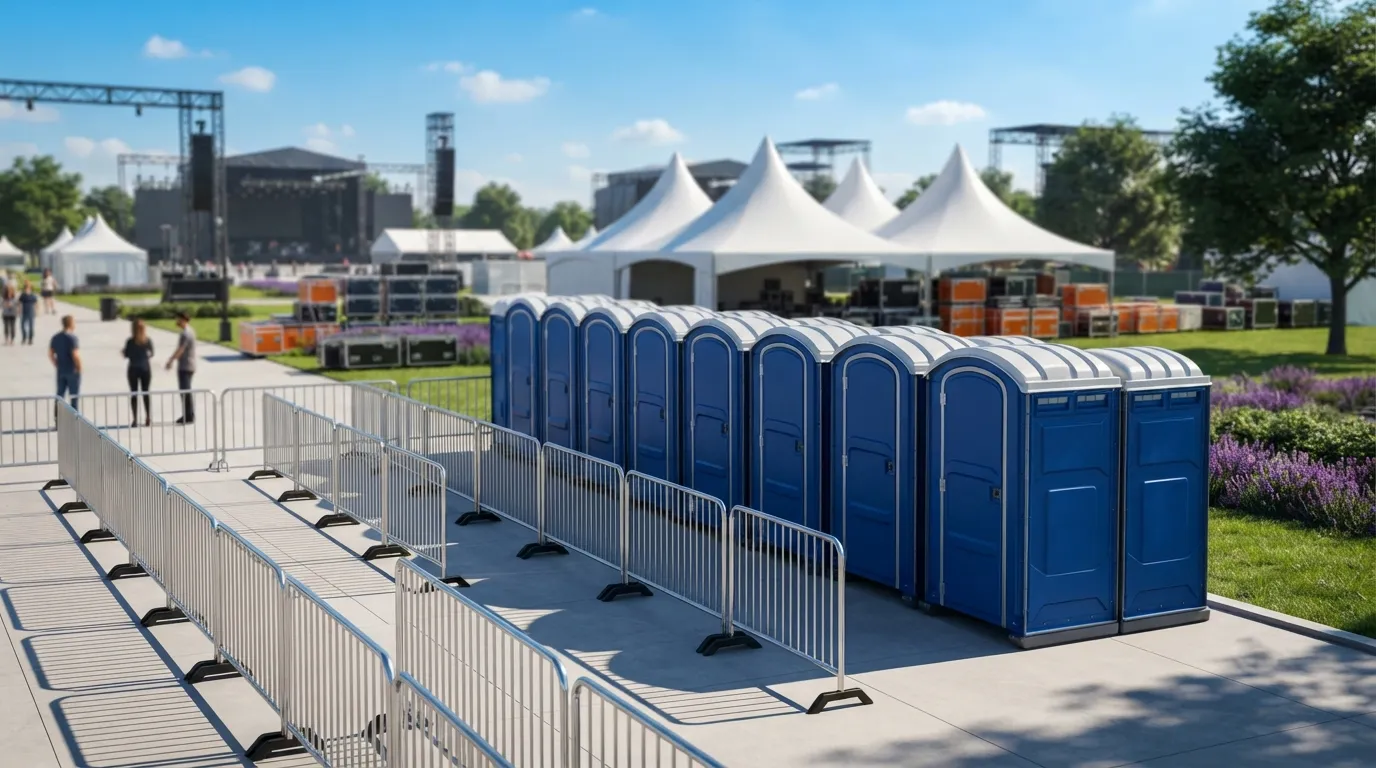
Yes, and the difference comes down to duration and crowd behavior rather than a separate legal standard. A Tempe wedding or festival needs stations positioned for guest flow near food service, while a construction site needs them positioned for crew access near the actual work, often changing location as the job moves. Event planners handling a wedding restroom rental or a festival restroom rental in Tempe should budget wash stations near catering and restroom clusters both. Construction crews doing home renovation porta potty work or larger builds should treat station placement as part of the same plan covered in porta potty rental cost and porta potty rental per day, since delivery logistics affect both toilets and wash stations together. Guadalupe sits 3.5 miles southwest of Tempe and Paradise Valley 15.8 miles north, and Tempe Porta Pros services both alongside the service areas list covering the wider region.
What is the difference between a handwashing station and a hand sanitizer station?
A handwashing station uses water, soap and a towel or dryer, meeting 29 CFR 1910.141(d)(2). A sanitizer station only dispenses gel and does not satisfy that standard on its own. See hand sanitizer station rental versus handwashing station rental for the difference in units.
Do I need a handwashing station if I already have a porta potty with sanitizer?
Often yes. A sanitizer dispenser inside a unit does not meet 29 CFR 1910.141(d)(2), which requires soap and towels or a dryer. Pair your porta john rental with a separate wash station to cover both standards on a Tempe site.
Can a portable sink replace a full handwashing station?
Yes, a self-contained portable sink rental works as a handwashing station if it supplies water, soap and towels or a dryer. Confirm it holds enough water for your crew size before delivery day in Tempe.
How often do handwashing stations get serviced?
ANSI/PSAI Z4.3 sets a baseline of one service visit weekly for up to 10 users across a 40 hour week. Larger Tempe crews or events need more frequent visits; ask Tempe Porta Pros to match service frequency to headcount.
Are handwashing stations required at agricultural sites?
Yes. OSHA 1928.110 requires potable water, toilets and handwashing for hand-labor employees on farms, at one facility per 20 workers within a quarter mile walk. See farm and agricultural restrooms for setup details.
Next step
Get a delivery date
Tell us the address, the dates and the headcount. We size the order and confirm the route.